
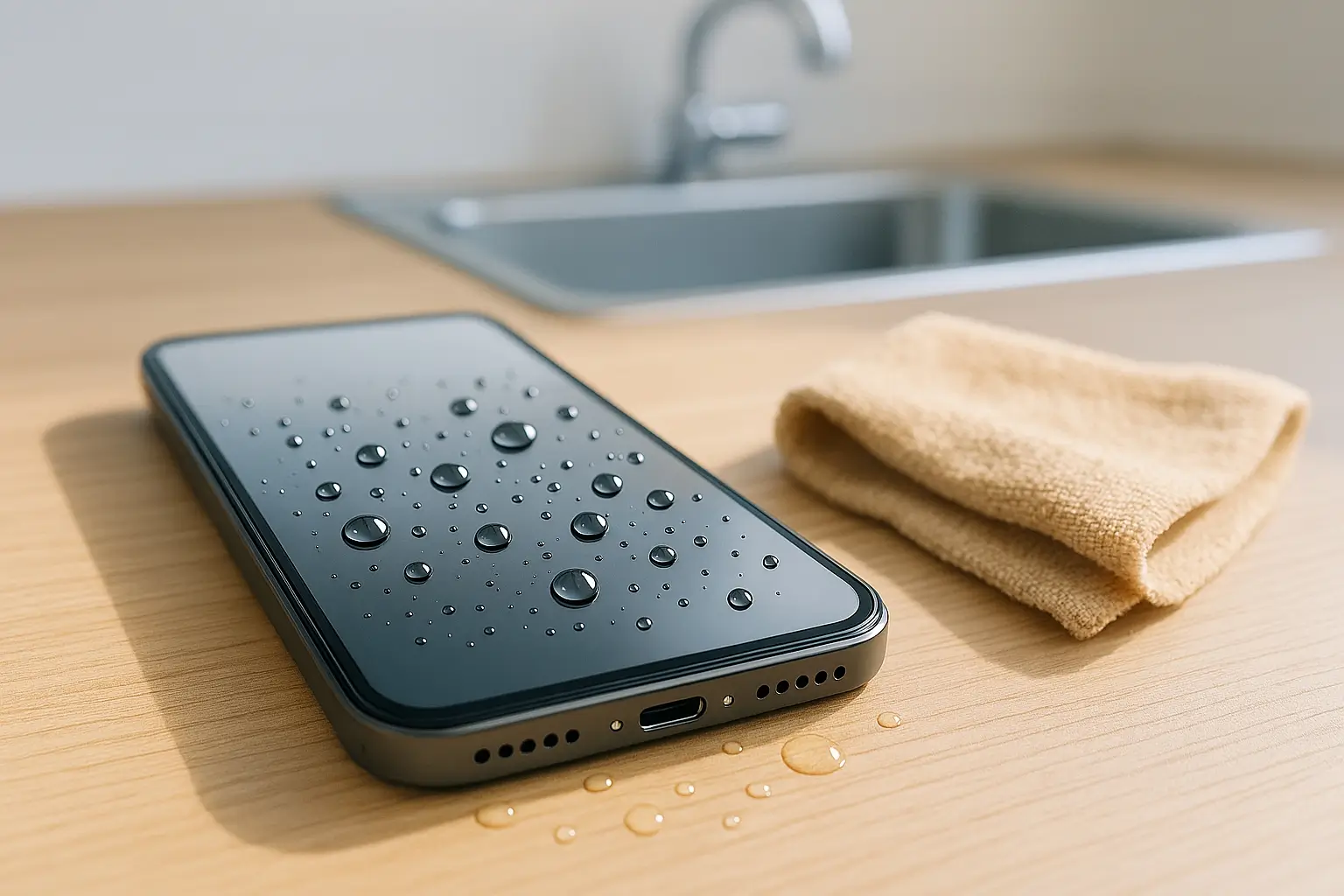
How to Fix Water Damaged Phone: A Comprehensive Guide
Water damage is one of the most common and frustrating issues for smartphone users. Whether your phone fell in the sink, pool, or got soaked in the rain, quick action can make the difference between saving your device and losing it completely. In this guide, you’ll learn how to fix water damaged phone using professional techniques, emergency protocols, and preventive strategies backed by science.
Also you can try our tool fix my speaker now for instant result.
Professional Guide: How to Fix Water Damaged Phone (2024 Update)
Fixing a water-damaged phone requires more than just placing it in rice. Modern smartphones have complex circuits and sensitive components that need precise care. This guide combines expert advice and proven methods to help you recover your device safely and effectively.
Emergency Response Protocol: Critical First 5 Minutes
The first few minutes after water exposure are crucial. Here’s what you should do immediately:
Turn Off Your Phone
Prevent short circuits by powering down the device.
Remove Accessories
Take off the case, SIM card, and memory card.
Dry the Exterior
Use a microfiber cloth to wipe off visible water.
Avoid Heat
Never use a hair dryer or microwave—these can cause permanent damage
Professional Damage Assessment Protocol
Before attempting any recovery method, assess the extent of damage:
Scientific Recovery Methodology
Sound-based and controlled drying techniques are the safest ways to fix water damage. Here’s how professionals do it:
Professional Decontamination Process
Experts use ultrasonic cleaning and specialised solutions to remove impurities and moisture from internal components. This prevents corrosion and restores functionality.
Component-Specific Treatment
Critical parts like the motherboard and battery are treated separately. Technicians often use isopropyl alcohol baths to displace water and clean circuits without causing harm.
Laptops and Bluetooth Speakers
For laptops and external speakers, sound-based cleaning works best when combined with gentle physical cleaning. Use a soft brush to remove surface dust, then run the cleaning sound at moderate volume. This helps dislodge particles without harming delicate circuits.
Advanced Prevention Strategy
Preventing water damage is easier than fixing it. Here are expert tips to keep your phone safe:
Use Waterproof Cases
Invest in high-quality cases for outdoor activities or rainy conditions.
Avoid High-Risk Areas
Keep your phone away from bathrooms, kitchens, and pools where accidental splashes are common.
Regular Maintenance
Clean ports and speaker grills with a soft brush to prevent dust buildup that can trap moisture.
Emergency Kit
Keep silica gel packs or a sound-based cleaning app handy for quick action after exposure.
These steps significantly reduce the risk of costly repairs.
Myth Correction: Evidence-Based Facts
There are many myths about fixing water-damaged phones. Let’s clear them up:
Always rely on proven methods like controlled drying or sound-based cleaning.
Device Replacement Indicators
Sometimes, repair isn’t enough. Replace your phone if:
If multiple components fail, replacement is often more cost-effective than repair.
Professional Conclusion
Water damage doesn’t have to mean the end of your phone. By acting quickly, following emergency protocols, and using scientific recovery methods, you can save your device and restore functionality. Combine these steps with preventive care to avoid future accidents.